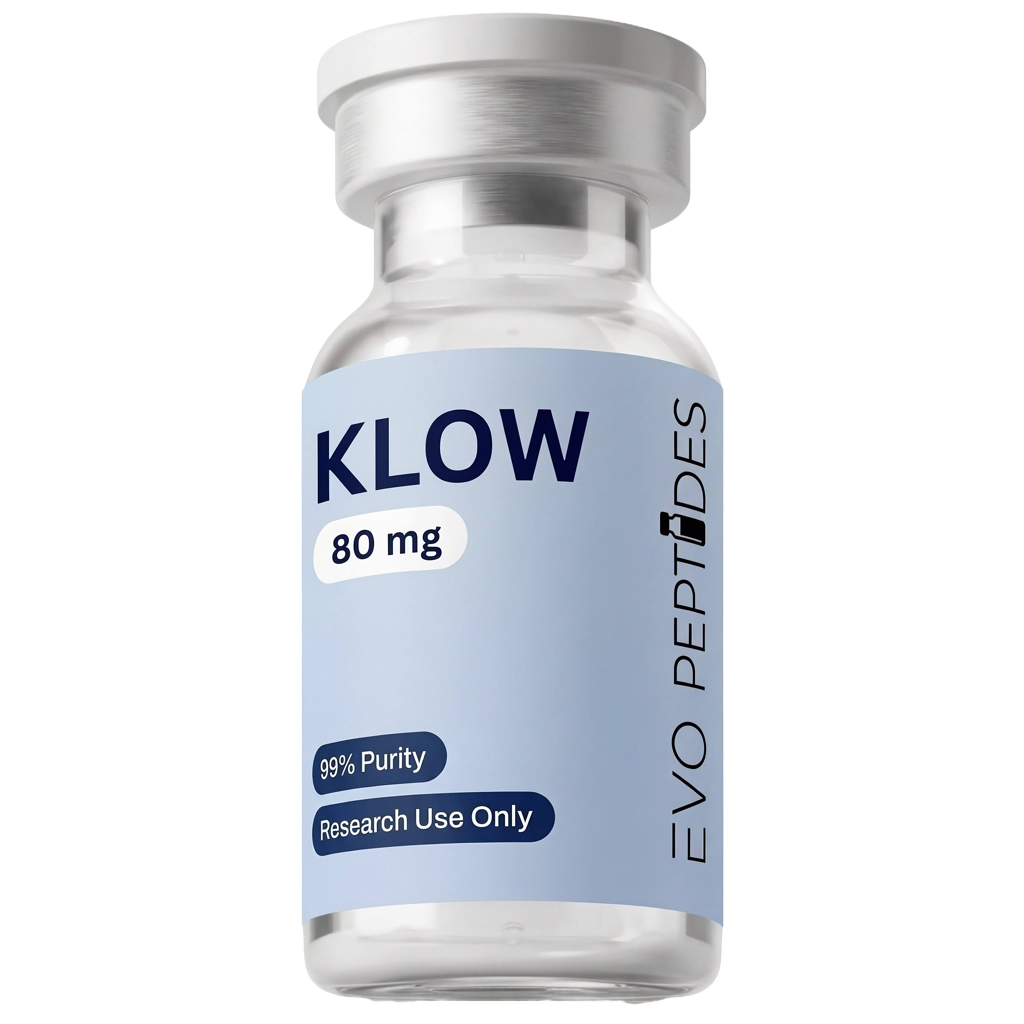
Peptide Reconstitution Calculator
Solve it two ways: enter your water to find the units to draw, or set a target dose and let it tell you how much bacteriostatic water to add.
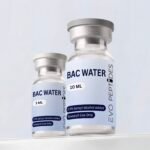
Need bacteriostatic water?
Reconstitution requires sterile BAC water. Stock up so you're never short mid-protocol — free shipping on orders $200+.
How to reconstitute a peptide
Reconstitution is the process of dissolving a lyophilized (freeze-dried) research peptide into a liquid so it can be measured and drawn accurately. You add bacteriostatic water to the vial, the powder dissolves, and the resulting solution has a known concentration you can dose against on an insulin syringe.
The whole thing comes down to three numbers: how many milligrams are in the vial, how much water you add, and how much you want per dose. Concentration is just the first divided by the second:
Concentration (mg/mL) = peptide (mg) ÷ BAC water (mL)
To find how much to draw, divide your dose (mg) by the concentration to get the volume, then multiply by 100 because U-100 insulin syringes have 100 units per millilitre:
Units to draw = (dose mg ÷ concentration) × 100
Working backward from a dose
If you'd rather pick a clean draw amount first — say you want every dose to land at 25 units so it's easy to read — flip the calculator to "Find BAC water to add." It solves for the water volume that makes your target dose hit your target units, using the same relationship in reverse.
A few practical notes
Add water slowly down the side of the vial rather than blasting it onto the powder, and swirl gently instead of shaking. Very small draws (under ~3 units) are hard to measure precisely — if you're there, use less water to concentrate the solution. Very large draws that exceed your syringe mean you need a bigger syringe, more water, or a split dose.
Reconstitution by compound
Different research peptides ship in different vial sizes and are studied at different dose ranges, so the water-to-dose math changes per compound. The calculator above works for any of them — pick your vial size and dose. For compound-specific background, dosing data, and protocols, see the research guides below.
Need supplies? You'll need bacteriostatic water to reconstitute and U-100 insulin syringes to draw. Browse the full catalog on the research peptides shop.
Frequently asked questions
How do I reconstitute BPC-157?
A common setup for a 10mg BPC-157 vial is to add 2 mL of bacteriostatic water, giving a 5 mg/mL concentration. At that concentration a 0.25 mg dose is 5 units on a U-100 insulin syringe. Enter your own vial size and dose in the calculator above for exact numbers, and see the BPC-157 research guide for background.
How do I reconstitute tirzepatide or retatrutide?
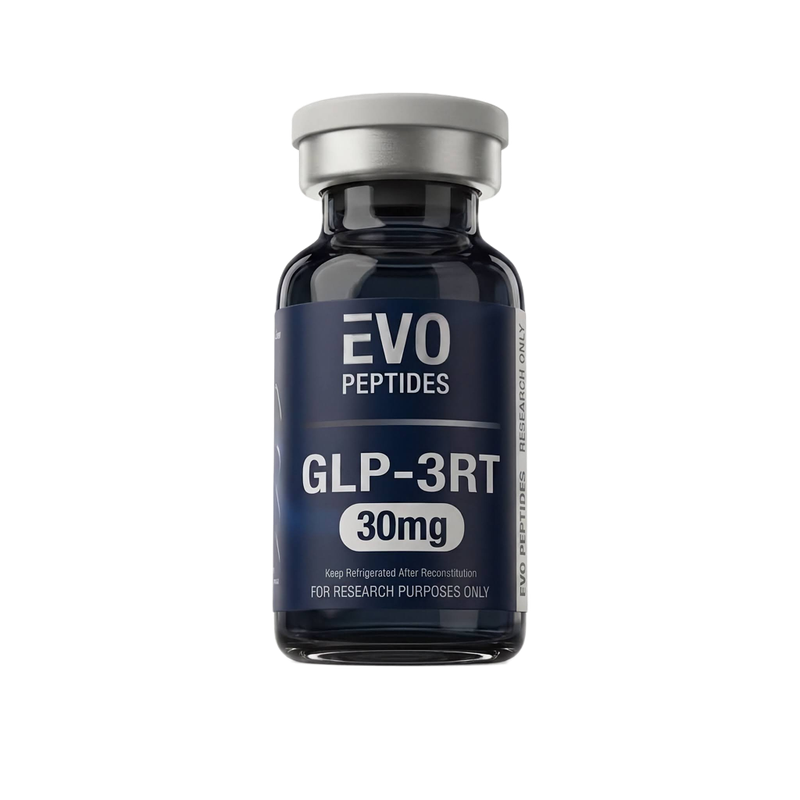
Metabolic research peptides such as GLP-2 TRZ (tirzepatide) and GLP-3 RT (retatrutide) follow the same math as any other peptide — vial mg divided by water mL gives concentration, and dose divided by concentration times 100 gives units. Because these are dosed across a wide range, use the "Find BAC water to add" mode to land on a clean, easy-to-read draw. See the retatrutide research guide for dosing context.
What is bacteriostatic water and why is it used?
Bacteriostatic water is sterile water containing a small amount of benzyl alcohol, which inhibits bacterial growth. That preservative lets a reconstituted vial be drawn from multiple times over a period of days without the solution spoiling, which is why it's preferred over plain sterile water for multi-dose research vials.
How many units should I draw on the syringe?
Units to draw equals your dose in milligrams divided by the solution's concentration, times 100. The calculator above does this automatically and shows the exact mark on a U-100 insulin syringe, along with the equivalent volume in millilitres.
Does more bacteriostatic water change the dose?
No. The total amount of peptide in the vial is fixed. Adding more water only dilutes the concentration, so you draw a larger volume for the same dose. More water means a bigger, easier-to-read draw; less water means a smaller, more concentrated draw.
How long does a reconstituted vial last?
Storage depends on the specific peptide, but reconstituted research peptides are generally kept refrigerated and used within a few weeks. Always store away from light and heat. Refer to the product's documentation for compound-specific guidance.
What size insulin syringe should I use?
Match the syringe to your typical draw volume. A 0.3 mL (30u) syringe gives the finest resolution for small draws; a 1 mL (100u) syringe handles larger volumes. The calculator flags when a dose won't fit the selected syringe.